My own jazz piano journey was anything but easy.
I spent over $12,000 on lessons.
I studied at New England Conservatory.
I bought every book, every course, every DVD I could find.
And after three years, I could play maybe three tunes — all by copying my teacher note for note.
If you’d asked me to sit down and play something new, I couldn’t.
I didn’t understand why anything worked — I just memorized shapes and sounds.
Every time I practiced, I questioned myself.
Am I getting better? Am I learning the right things? Why does everything still sound off?
I thought I was the problem.
But I wasn’t.
And neither are you.
The problem was the system.
Or rather, the lack of one.
See, most jazz piano students are stuck in the same endless loop I was:
collecting lessons, watching tutorials, transcribing solos, and hoping that somewhere along the line, everything will “click.”
But without clear goals, benchmarks, or a way to test yourself, you never actually know if you’re improving.
You can have all the information in the world —
every voicing, every scale, every lick —
and still feel completely lost.
Because information doesn’t equal progress.
Structure does.
Without structure, learning jazz piano becomes this exhausting guessing game.
You jump from topic to topic, trying to connect the dots yourself, until eventually you’re buried in PDFs, overwhelmed by videos, and wondering if you’ll ever really “get it.”
That cycle leads to paralysis.
To burnout.
To that quiet voice in your head that says, maybe I’m just not talented enough.
I lived that for years.
And I watched countless students live it too.
Then something changed.
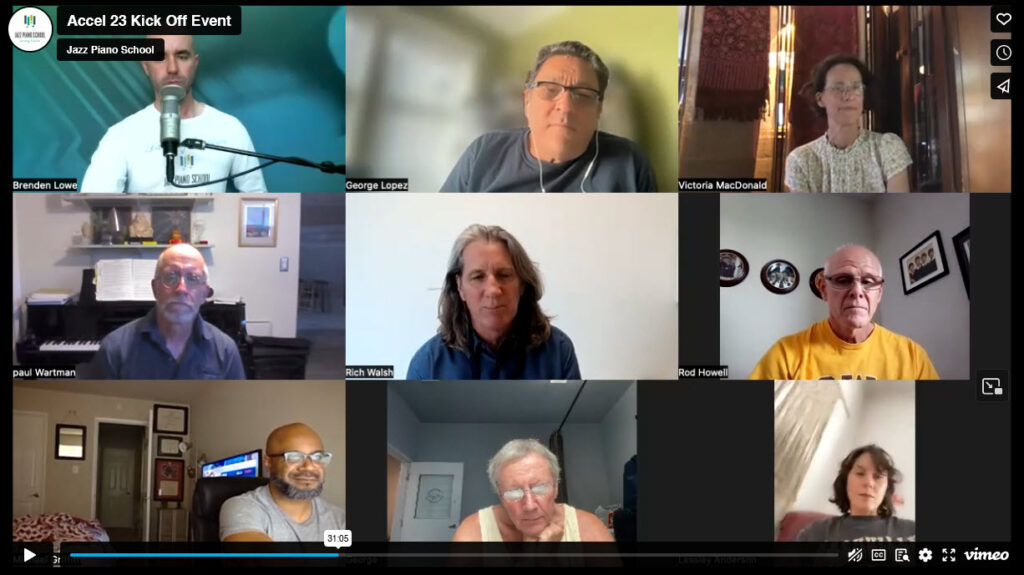
When I started running my live programs a few years ago, I began experimenting with a new kind of structure — one that gave students specific goals, measurable progress, and a clear system of accountability.
For the first time, students could actually see and hear their progress.
They knew what to practice, when to move on, and where to focus next.
The guessing disappeared — and so did the overwhelm.
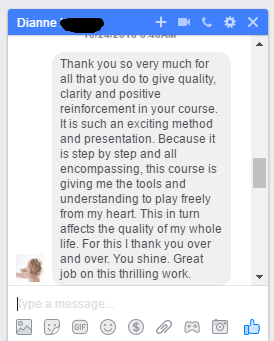
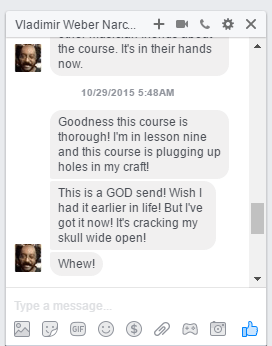
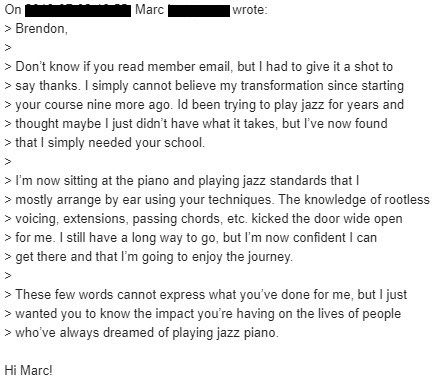
And the results were undeniable.
Players who had been stuck for years were suddenly swinging with confidence.
They were improvising with freedom.
They were enjoying the process again.
It was the first time I’d seen consistent, measurable transformation — not just in how students played, but in how they felt about playing.
That experience changed everything for me.
It showed me that learning jazz piano doesn’t have to be chaotic, confusing, or discouraging.
It can be clear.
It can be structured.
It can actually be fun.
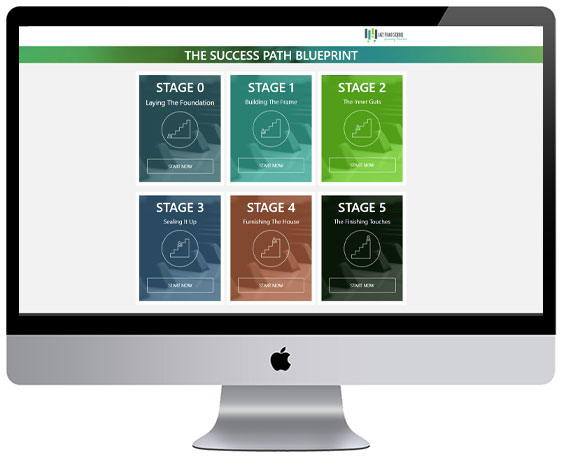
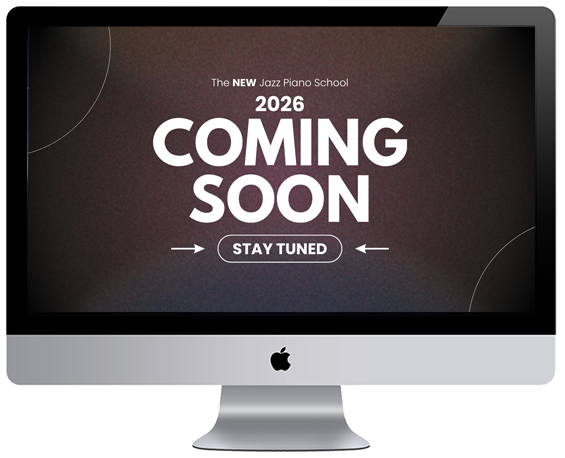
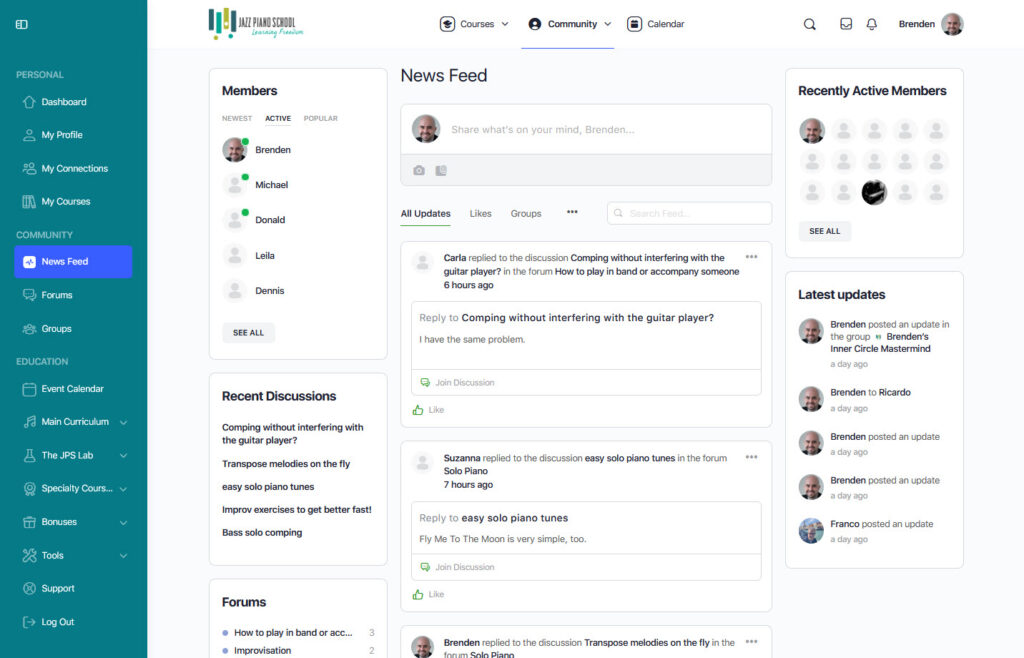
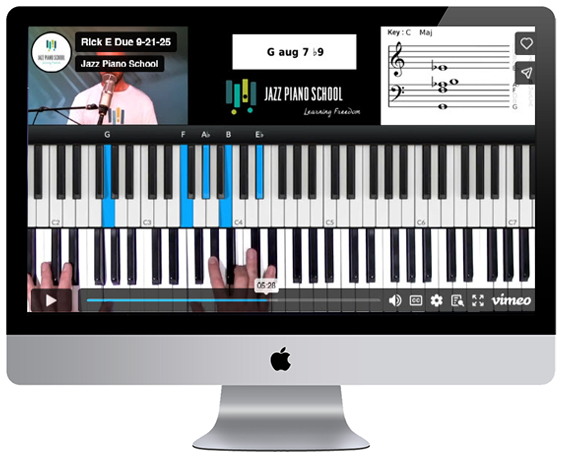
That’s why I decided to completely rebuild Jazz Piano School from the ground up — taking the same system that produced real results in my live programs and turning it into something anyone could follow.
Because jazz piano doesn’t need to be a lifelong struggle.
You don’t need to waste years wondering if you’re on the right path.
You just need a system that helps you know exactly where you are, what to do next, and how to finally play with confidence, freedom, and joy.
That’s what this new version of Jazz Piano School delivers.
The structure, clarity, and momentum I wish I had when I started.